
Allied Energy II eliminated gas venting with a lower-maintenance multiphase vapor recovery system.
After acquiring a facility with an unreliable conventional VRU, Allied Energy II needed a field-proven solution that could operate through variable gas flows, liquid carryover, and extreme winter conditions. Fluidstream's VaporCommander™ delivered stable operation, eliminated venting, and did so without the maintenance burden commonly associated with conventional vapor recovery equipment.
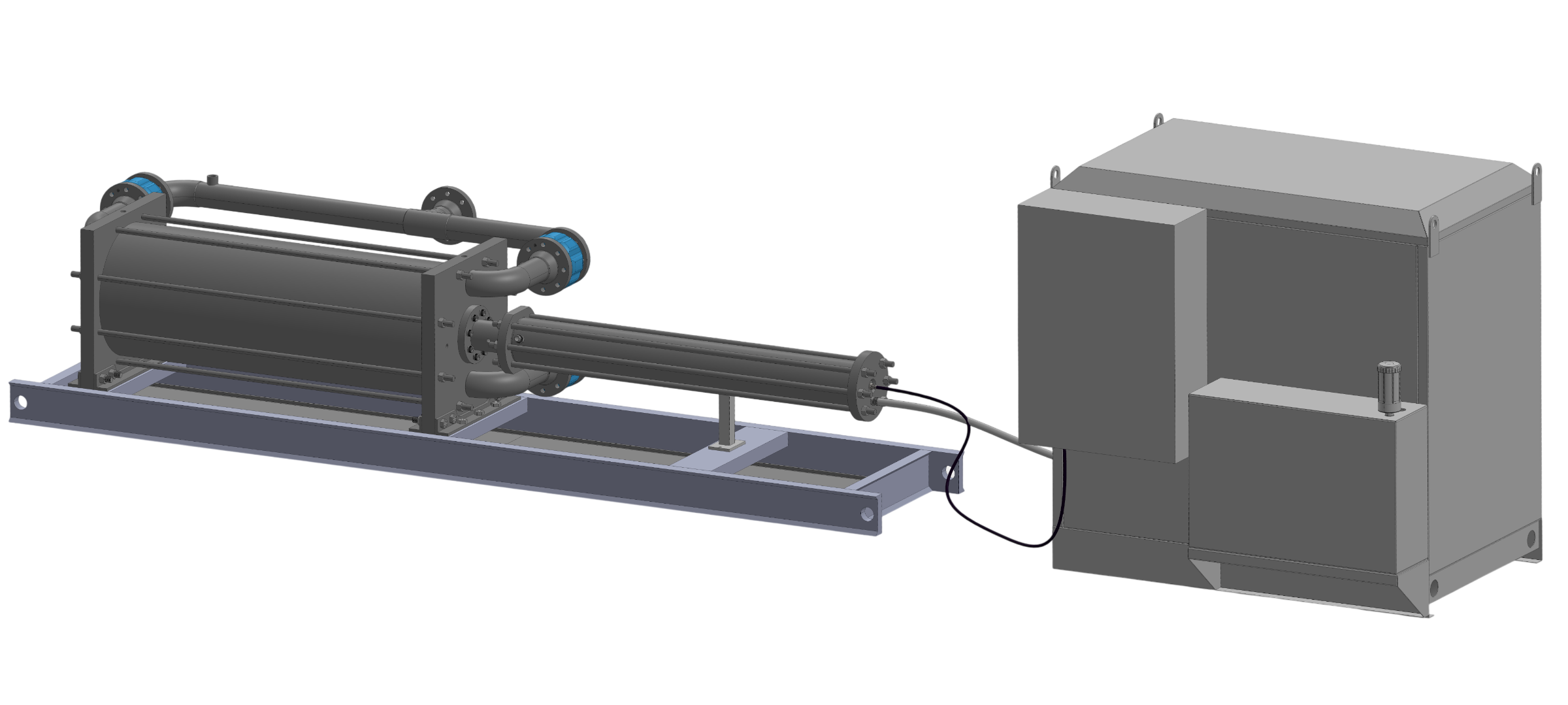
Fluidstream replaced a conventional vapor recovery approach with a multiphase system engineered to tolerate variable flow composition directly, reducing dependence on auxiliary equipment and minimizing the conditions that typically drive downtime and maintenance.
Conventional VRU performance was limiting reliability, gas capture, and operating efficiency.
The acquired facility was equipped with a vapor recovery setup that could not consistently operate under real field conditions. Flow variability and liquid carryover created repeated operational instability, which meant the unit could not reliably capture gas from the tank battery. The result was continued venting, increased operator attention, and a system that added complexity without solving the problem it was installed to address.
A conventional design was being asked to operate outside the narrow conditions it was built for.
Allied Energy II inherited a site where the existing vapor recovery approach had become a practical operational issue. The conventional VRU was expected to run on a relatively clean and stable gas stream, but the actual field environment presented variable gas rates, intermittent liquid entrainment, and normal operating swings that made that expectation difficult to maintain. Under those conditions, the system was unable to sustain dependable operation.
That mattered for more than just equipment reliability. When a vapor recovery system cannot remain online, gas is not consistently captured, which means both economic value and emissions performance suffer. Instead of creating a stable recovery pathway, the previous arrangement introduced operational uncertainty and demanded ongoing attention from the operator. The site needed a solution that was not just technically capable on paper, but one that could perform in the realities of day-to-day production.
The deeper issue was architectural. Conventional systems often depend on multiple support components to protect compression equipment from liquids and off-spec flow conditions. Every additional separator, control loop, vessel, and intervention point increases complexity and creates more places for the system to falter. At this site, complexity was not translating into reliability.
Operational instability
Variable gas volumes and liquid carryover reduced the ability of the previous VRU to remain online consistently, making performance dependent on conditions the site could not reliably control.
Gas venting risk
Unreliable recovery meant gas capture was inconsistent, directly affecting emissions performance and the ability to recover product that would otherwise be lost.
Maintenance burden
More equipment and more failure points translated into more troubleshooting, more intervention, and a higher total operating burden for the facility.
Acquisition integration issue
The operator needed a practical fix that could improve performance without introducing another complicated system that would be costly to own and difficult to support.
Why multiphase compression changed the maintenance profile.
Fluidstream's VaporCommander™ uses a different operating philosophy from conventional vapor recovery systems. Instead of trying to protect the compression process from liquids by adding more equipment around it, the system is designed to tolerate mixed flow directly. That matters because the maintenance burden in conventional vapor recovery often comes from the gap between what the equipment wants to see and what the field actually delivers.
It reduces dependence on upstream separation.
Conventional vapor recovery systems frequently need scrubbers, separators, and related controls to remove liquids before gas can be compressed safely. When those pieces are reduced or eliminated, there are simply fewer components that can foul, plug, trip, or require service.
It tolerates variable field conditions better.
Multiphase compression is better suited to real-world changes in gas rate and flow composition. By handling the stream more directly, the system is less exposed to the shutdown cycles and upset conditions that often accelerate wear in conventional setups.
It simplifies the overall operating system.
Lower maintenance is not only about one machine performing better. It is also about the fact that the site no longer depends on a large chain of supporting equipment to keep recovery online. Simpler architecture typically means fewer interventions, fewer recurring service tasks, and lower long-term operating effort.
Fluidstream replaced a fragile recovery approach with a more robust field solution.
Allied Energy II selected Fluidstream's patented VaporCommander™ because it offered a cost-effective path to reliable gas capture without requiring the operator to maintain the same level of system complexity. The core value of the technology at this site was not only that it could recover vapor, but that it could continue doing so under the actual operating conditions that had defeated the previous system.
By using multiphase compression, Fluidstream was able to remove a large part of the mismatch between equipment limitations and field reality. The system was built to deal with changing conditions rather than forcing the site to condition the stream perfectly before recovery could take place. That directly contributed to more stable operation and a lower-maintenance outcome.
The deployment also proved durable through harsh Canadian winters. Extreme temperature performance is often where reliability claims are tested most severely, especially when a site is already dealing with variable process conditions. In this case, the unit continued to operate through temperatures below -40°C, reinforcing the benefit of a simpler and more tolerant recovery architecture.
Fluidstream VaporCommander™
A patented multiphase vapor recovery system designed to handle challenging operating conditions more directly than conventional VRUs. At Allied Energy II, the technology delivered gas capture without the recurring intervention and maintenance burden that had been associated with the previous setup.
“Fluidstream's VaporCommander™ unit has operated consistently and eliminated gas venting from our oil storage tanks. Importantly, since installation 15 months ago, the unit has provided 100% uptime and has not required any maintenance.”Richard Grenville, VP Production, Allied Energy II Corp.
The result was a recovery system that stayed online and stayed out of the maintenance queue.
Since installation, the VaporCommander™ has delivered the kind of outcome operators care about most: dependable field performance without recurring operational drag. The unit reportedly achieved 100% uptime over more than fifteen months of service while requiring no maintenance during that period. That combination is especially meaningful in vapor recovery, where reliability issues often appear quickly when a system is poorly matched to the stream.
Just as importantly, the system eliminated gas venting from the oil storage tanks. That changed the facility's performance both economically and operationally. Instead of accepting emissions and lost product as an unavoidable consequence of an unreliable VRU, Allied Energy II was able to move to a recovery approach that remained functional across normal field variability.
The maintenance outcome deserves emphasis. Low maintenance here was not the result of luck or unusually gentle operating conditions. It was the result of using a multiphase compression architecture that reduced dependence on separators, tolerated liquids more effectively, and removed many of the recurring failure mechanisms that conventional systems face in the field. For operators, that translates into fewer service events, less operator intervention, and a lower total cost of ownership over time.
Fluidstream can turn difficult vapor recovery conditions into a simpler, lower-maintenance operating model.
For operators dealing with venting, variable gas streams, liquid carryover, and the maintenance burden of conventional vapor recovery systems, this case shows how a multiphase approach can improve reliability while reducing system complexity.
Talk to Fluidstream